


Indian residents can legally trade only INR currency pairs such as USD/INR on SEBI-recognized exchanges through SEBI-registered brokers, while offshore spot forex sits in a legal gray area under FEMA and RBI warnings.
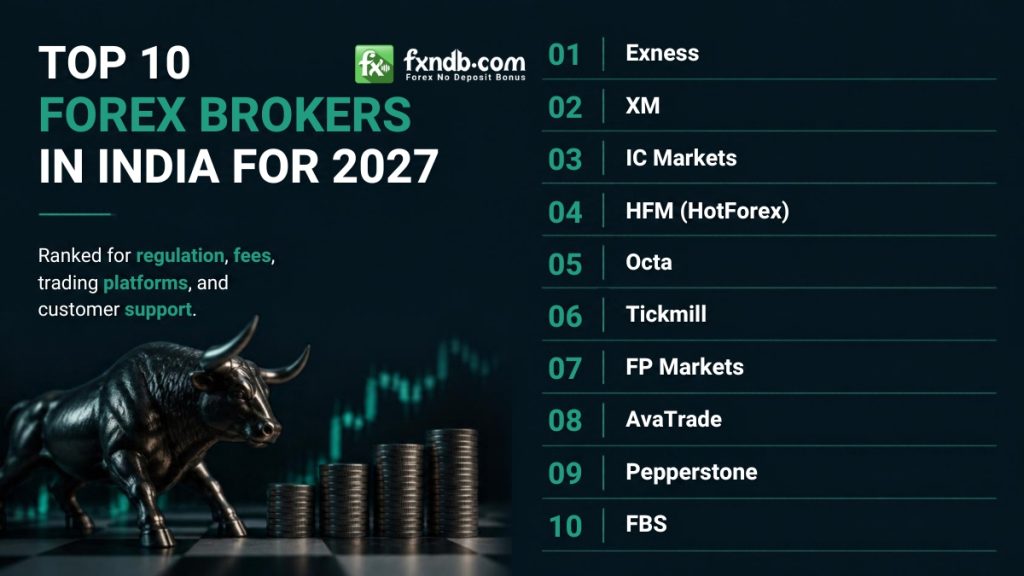
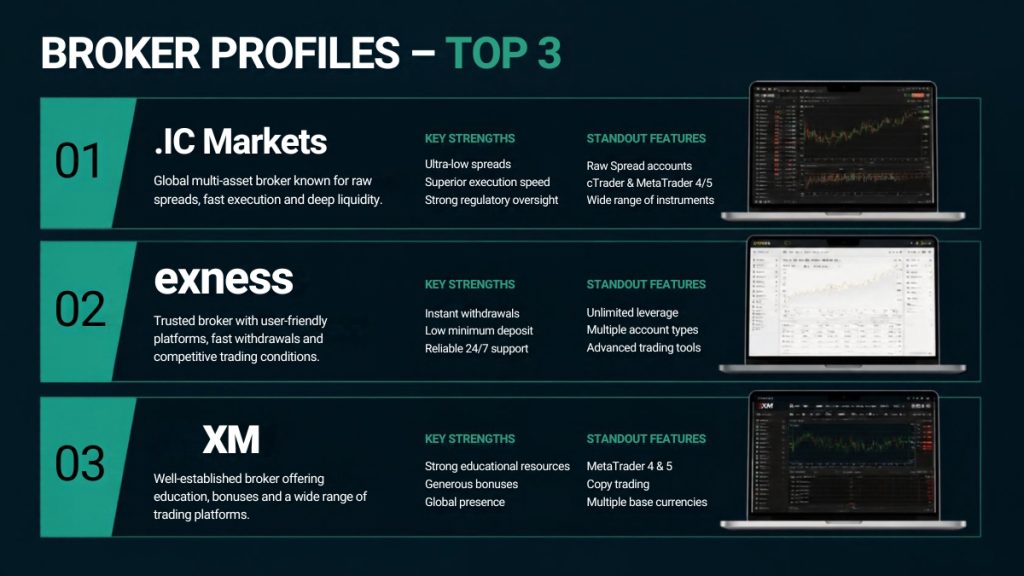
The article ranks ten offshore brokers (Headway, XM, Exness, FP Markets, Pepperstone, FOREX.com, Tickmill, FxPro, Fusion Markets) on regulation, minimum deposit, spreads, platforms like MT4 and cTrader, and INR funding options, noting that regulation outweighs bonuses and that affiliate commissions did not affect rankings. Each profile covers licenses, account types, best-fit users, and drawbacks.
A recurring warning is that Indian clients are usually onboarded by lightly regulated offshore entities, so top-tier licenses like FCA or ASIC may not protect them. Low-cost starters are pointed to Headway, XM and Exness, while active traders may prefer raw-spread brokers. The guide also explains how to verify licenses and entities, check the RBI Alert List, test withdrawals with small sums, avoid risky P2P deposits, and handle taxes: exchange-traded gains count as business income on ITR-3, and offshore profits remain taxable. It urges using demo accounts first.
Picking from the best forex trading brokers in India is harder than it looks. Most of the brokers Indian traders see online are based overseas, and the rules from the RBI and SEBI limit what you can legally trade. Get this wrong and you risk blocked withdrawals, tax trouble, or a broker that vanishes with your deposit.
Here is the short answer. Under FEMA, Indian residents can legally trade only INR currency pairs such as USD/INR and EUR/INR on SEBI-recognized exchanges (NSE, BSE, MCX-SX), through SEBI-registered brokers. Many traders also use offshore brokers for pairs like EUR/USD, which sits in a legal gray area. If you go that route, check the regulator (FCA, CySEC, ASIC, DFSA, FSCA) before you deposit anything.
Below, we rank 10 brokers that Indian traders use, judged on regulation, minimum deposit, spreads, platforms (MT4, cTrader), and INR payment options. We also flag bonus terms, since we review them daily at FXNDB. Use this list to compare, then open a demo account before you risk real money.
1. Is forex trading legal in India? RBI and SEBI rules
Legality decides which of the best forex brokers in India you can actually use. The Foreign Exchange Management Act (FEMA), 1999 governs currency dealing, and the RBI and SEBI enforce it. The rule in one line: trade currency derivatives on Indian exchanges, through a SEBI-registered broker.
What Indian rules allow
Permitted products are futures and options on a short list of pairs. They trade on NSE, BSE or the Metropolitan Stock Exchange (formerly MCX-SX). Here is how the main activities break down.
| Activity | Status |
|---|---|
| INR pairs (USD/INR, EUR/INR, GBP/INR, JPY/INR) on NSE, BSE, MSE | Legal |
| Cross pairs (EUR/USD, GBP/USD, USD/JPY) on Indian exchanges | Legal |
| Spot forex with an offshore broker on MT4 or cTrader | Not authorized |
| Remitting money abroad under the LRS for forex margin | Prohibited |
The offshore gray area
Many Indians still open accounts with foreign brokers. The RBI publishes an Alert List of unauthorized forex platforms and warns residents against them. FEMA rules also bar sending funds abroad for margin trading. So far, enforcement has targeted platforms and payment routes more than individual retail traders. Low enforcement is not legal permission, though.
In practice, every broker ranked below is offshore. None of them gives you the protection of SEBI oversight. If a dispute arises, you deal with a foreign regulator, not an Indian one. That is why the best Indian forex brokers on this list are the ones with strong overseas licenses and a clean record on withdrawals.
Indian law protects you on exchange-traded currency derivatives; offshore spot forex is at your own risk.
Before you deposit anywhere, check the RBI Alert List and look up the broker on its regulator’s public register. Treat this section as background, not legal or tax advice. If you are unsure about your position, ask a chartered accountant or a lawyer who handles FEMA cases.
2. How we ranked these forex brokers for Indian traders
Ranking the best forex trading brokers in India means weighing safety first and price second. We built this list from each broker’s published terms and its regulator’s public register, not from marketing pages.
What we scored
Every broker was judged on five areas. Regulation carried the most weight, because offshore status already removes SEBI protection from the start.
| Criterion | What we checked |
|---|---|
| Regulation | Licenses from FCA, ASIC, CySEC, DFSA or FSCA, register entry, segregated client funds |
| Costs | Minimum deposit, typical EUR/USD spread, commission per lot |
| Platforms | MT4, MT5, cTrader, mobile apps |
| INR funding | UPI, bank transfer, e-wallets, withdrawal speed |
| Fit for India | Whether Indian residents can open an account, support hours, withdrawal record |
Bonuses did not change the order. A large no deposit bonus offer is pleasant, but a strong license matters more than a welcome bonus, and bonus terms often restrict withdrawals.
A broker’s license matters more than its welcome bonus.
How we handle affiliate links
FXNDB earns a commission when you open an account through some of our links. Commissions did not buy a higher rank, and every broker below is listed with its drawbacks next to its strengths.
Terms change often. Rankings reflect conditions as of September 2026, so confirm spreads, fees and eligibility on the broker’s site before you deposit.
3. Headway
Regulation and safety
Headway sits at the lower end of our safety scale, as our Headway broker review explains in detail. Its entities hold licenses from offshore regulators such as the Seychelles FSA, not the FCA or ASIC. It advertises segregated client funds and negative balance protection. Check the current license on the regulator’s register before you deposit.
Headway’s low entry cost comes with lighter regulatory protection than FCA or ASIC brokers give you.
Account types, spreads and minimum deposit
Standard is the entry point. Pro and Zero suit traders who want tighter pricing. Verify these published figures before you fund.
| Account | Min deposit | Spread | Commission |
|---|---|---|---|
| Standard | $10 | From about 1.0 pip | None |
| Pro | $100 | Tighter, from about 0.1 pip | None |
| Zero | $100 | From 0 pips | Per lot |
Platforms and INR funding options
MetaTrader 4 and MetaTrader 5 run on desktop, web and mobile, and Headway adds its own app with Headway CopyTrade. Indian traders report UPI and local bank transfer, plus Skrill, Neteller and USDT. Payment routes change by country, so confirm INR options in the cashier first.
Who it is best for
Beginners starting with $10 to $50 get the most from it. It also suits traders who want a cheap way to learn MT5.
- Small-balance beginners who want a low minimum deposit
- Copy traders who want a built-in social trading tool
Drawbacks to know
Leverage reaches 1:1000 on some accounts, which magnifies losses as fast as gains. The missing top-tier license is the larger concern.
- No FCA, ASIC or CySEC oversight
- Standard spreads are wider than raw-spread rivals
- Terms on the Headway no deposit trading bonus can limit withdrawals, so read them first
4. XM
Regulation and safety
The group holds CySEC, ASIC and DFSA licenses, which score well on our scale. Indian residents, however, are usually onboarded by the offshore entity licensed in Belize (IFSC), not the CySEC or ASIC arm. Confirm which entity holds your account before you fund it.
Ask which XM entity holds your account, because the license on the homepage may not be the one protecting you.
Account types, spreads and minimum deposit
Entry cost is low. All three main accounts start at about $5, so your choice comes down to spread and lot size.

| Account | Min deposit | Spread | Commission |
|---|---|---|---|
| Micro | $5 | From about 1.0 pip | None |
| Standard | $5 | From about 1.0 pip | None |
| Ultra Low | $5 | From about 0.6 pip | None |
These are typical figures, so verify them on the broker’s site.
Platforms and INR funding options
MT4 and MT5 run on desktop, web and mobile, and XM also offers its own app. cTrader is not available. Indian traders report bank transfer, cards, Skrill and Neteller. Whether a direct INR or UPI route appears depends on the cashier, so check it before you commit.
Who it is best for
Beginners get the most from XM. It pairs a $5 start with regular webinars and a solid education section, which helps if you are still learning.
- New traders who want to test strategies in micro lots
- Demo-first users who value a long-running, well-known brand
Drawbacks to know
Pricing is the main trade-off. Spreads on the entry accounts sit above raw-spread rivals, and bonus credit carries trading conditions that can delay withdrawals.
- Belize-entity clients do not get CySEC or ASIC protection
- No cTrader support
- Read the XM bonus terms explained in full before you accept any credit
5. Exness
Regulation and safety
Exness holds licenses from the FCA, CySEC and FSCA, plus several offshore regulators. Indian residents are normally onboarded by an offshore entity, such as the Seychelles-regulated one, so FCA and CySEC protection likely does not cover you. Ask support in writing which entity holds your account.
Exness has top-tier licenses, but Indian clients usually sit under a lighter offshore one.
Account types, spreads and minimum deposit
Accounts split into standard and professional groups. These are typical figures, so verify them before you fund.
| Account | Min deposit | Spread | Commission |
|---|---|---|---|
| Standard | $10 | From about 0.2 pip | None |
| Cent | $10 | Similar to Standard | None |
| Pro | $200 | From about 0.1 pip | None |
| Zero / Raw Spread | $200 | From 0 pips | Per lot |
Platforms and INR funding options
MT4 and MT5 run on desktop, web and mobile, and Exness adds its own Terminal and Trade app. Indian traders report UPI and bank transfer, plus Skrill, Neteller and crypto. Withdrawals are often fast, but confirm INR routes in the cashier first.

Who it is best for
Scalpers and active traders get the most from Exness. It pairs a $10 start with tight spreads on its pro accounts.
- Cost-focused traders who want raw pricing
- Beginners who want to test with a Cent account
Drawbacks to know
Leverage can be extremely high on some accounts, which magnifies losses quickly. Exness also does not run deposit bonuses the way many rivals do, so bonus hunters should look elsewhere.
- Offshore entity for Indian clients
- Pro accounts need a $200 deposit
- Very high leverage tempts new traders into oversized positions
6. FP Markets
Regulation and safety
FP Markets is an Australian-founded broker with ASIC and CySEC licenses, which rank among the stronger ones on our scale. Indian residents are typically onboarded by an offshore entity, such as the Seychelles-licensed one, so ASIC protection may not cover you. Get the entity name from support in writing.
FP Markets has a strong license on paper, but confirm which entity actually holds your Indian account.
Account types, spreads and minimum deposit
Two accounts cover most traders. These are typical figures, so verify them before you fund.
| Account | Min deposit | Spread | Commission |
|---|---|---|---|
| Standard | About $100 | From about 1.0 pip | None |
| Raw | About $100 | From about 0.0 pip | About $6 per lot round turn |
Platforms and INR funding options
MT4, MT5, cTrader and TradingView are all offered, which is rare among the brokers on this list. Indian traders report bank transfer, cards, Skrill and Neteller. Whether a UPI or direct INR route appears depends on your entity, so check the cashier first.
Who it is best for
Active traders and scalpers get the most from it. If you want raw pricing, it is a strong pick among the best forex brokers India traders can reach offshore, especially with cTrader or MT5.
- Cost-focused traders who accept a per-lot commission
- Platform switchers who want cTrader and TradingView under one login
Drawbacks to know
The entry price is the first hurdle. A $100 minimum is ten times Headway’s and far above XM’s $5. Bonuses are also not a selling point here.
- Indian clients likely sit under an offshore entity
- Standard spreads are wider than the Raw account
- Fewer promotions than bonus-heavy rivals
7. Pepperstone
Regulation and safety
Pepperstone holds ASIC, FCA, CySEC and DFSA licenses, one of the strongest sets on this list. Indian residents are typically onboarded by an offshore entity, such as the Bahamas-licensed one, so FCA or ASIC protection may not apply to you. Ask support in writing which entity holds your account.
Pepperstone’s top-tier licenses only help you if your account sits under one of them.
Account types, spreads and minimum deposit
Two accounts cover most traders. These are typical figures, so verify them before you fund.
| Account | Min deposit | Spread | Commission |
|---|---|---|---|
| Standard | No fixed minimum, about $200 suggested | From about 1.0 pip | None |
| Razor | No fixed minimum, about $200 suggested | From about 0.0 pip | About $7 per lot round turn |
Platforms and INR funding options
MT4, MT5, cTrader and TradingView are all supported, plus a mobile app. Indian traders report bank transfer, cards, Skrill and Neteller. A direct INR or UPI route is not guaranteed, so confirm INR options in the cashier first.
Who it is best for
Scalpers and algorithmic traders get the most from it. Among the best Indian forex brokers for raw pricing, it ranks near the top because of the Razor account and cTrader execution.
- Cost-focused traders who accept a per-lot commission
- Automated traders who want MT5 or cTrader bots
Drawbacks to know
Bonuses are not part of the offer, so bonus hunters should look elsewhere. The practical entry cost is also higher than Headway or XM.
- Indian clients likely sit under an offshore entity
- About $200 is a sensible starting balance
- Limited beginner education compared with XM
8. FOREX.com
Regulation and safety
FOREX.com is owned by the NYSE-listed group StoneX and holds licenses from the FCA, CFTC/NFA, ASIC and CIMA (Cayman Islands). Its regulated arms serve local clients only. Indian residents, if accepted at all, would sit under the Cayman entity, so FCA protection does not follow you. Ask support in writing which entity would hold your account.
FOREX.com has one of the strongest parent companies on this list, but Indian access is the open question.
Account types, spreads and minimum deposit
Two pricing models cover most traders. These are typical figures, so verify them before you fund.
| Account | Min deposit | Spread | Commission |
|---|---|---|---|
| Standard | About $100 | From about 1.4 pips | None |
| Commission (Raw) | About $100 | From about 0.2 pip | About $7 per lot round turn |
Platforms and INR funding options
MT4, MT5 and TradingView sit alongside FOREX.com’s own web platform and mobile app. Funding is the weak spot. Cards and bank wire are the usual routes, and UPI is not widely reported. Confirm Indian eligibility and INR options with support before you sign up.
Who it is best for
Research-minded traders get the most from it. The broker suits anyone who wants a large listed group behind their account and strong charting tools.
- Chart-focused traders who want TradingView integration
- Safety-first users who can confirm they qualify for an account
Drawbacks to know
Eligibility is the biggest hurdle. Some Indian applicants are turned away, and the Standard spread is wider than Exness or Pepperstone. Promotions are also thin.
- Indian clients may not be accepted
- No UPI route reported
- Bonus hunters should look elsewhere
9. Tickmill
Regulation and safety
Tickmill holds licenses from the FCA, CySEC and FSCA, plus the Seychelles FSA and a Labuan license. Indian residents are usually onboarded by the Seychelles entity, so FCA and CySEC protection likely does not cover you. Ask support in writing which entity holds your account.
Tickmill’s strong licenses protect you only if your account sits under one of them.
Account types, spreads and minimum deposit
Two accounts cover most traders. A VIP tier exists, but it needs a $50,000 deposit. These are typical figures, so verify them before you fund.
| Account | Min deposit | Spread | Commission |
|---|---|---|---|
| Classic | About $100 | From about 1.6 pips | None |
| Pro | About $100 | From about 0.0 pip | About $4 per lot round turn |
Platforms and INR funding options
MT4 and MT5 run on desktop, web and mobile, and Tickmill adds its own Trader app. Indian traders report bank transfer, cards, Skrill and Neteller. A direct UPI or INR route depends on your entity, so check the cashier first.
Who it is best for
Active traders who want low commissions get the most from Tickmill. The Pro account’s $4 round-turn fee is among the cheapest on this list.
- Scalpers who trade often and watch every cost
- Careful traders who value a long regulatory record
Drawbacks to know
The $100 minimum is ten times Headway’s entry price. Classic spreads are also wide, so most cost-focused traders end up on Pro.
- Indian clients likely sit under an offshore entity
- No cTrader support
- Promotions are limited, so bonus hunters should look elsewhere
10. FxPro
Regulation and safety
FxPro is a London-founded broker with licenses from the FCA, CySEC, FSCA and the Bahamas SCB. That is a strong set. Indian residents, however, are typically onboarded by an offshore entity, so FCA protection likely does not follow you. Ask support in writing which entity holds your account.
FxPro’s UK roots are reassuring, but only the entity named in your client agreement protects you.
Account types, spreads and minimum deposit
Pricing splits between a spread-only account and raw-spread accounts. These are typical figures, so verify them before you fund.
| Account | Min deposit | Spread | Commission |
|---|---|---|---|
| Standard | About $100 | From about 1.3 pips | None |
| Raw+ | About $100 | From about 0.0 pip | About $7 per lot round turn |
| cTrader | About $100 | Raw-style, tight | Per lot |
Platforms and INR funding options
MT4, MT5 and cTrader are all supported, alongside FxPro’s own Edge platform and mobile apps. Indian traders report bank transfer, cards, Skrill and Neteller. A UPI route is not widely reported, so check the cashier first.
Who it is best for
Platform-flexible traders get the most from FxPro. It suits anyone who wants cTrader or MT5 under a broker with a long track record.
- Cost-aware traders who will use Raw+ or cTrader
- Safety-minded users who can confirm their entity in writing
Drawbacks to know
The $100 minimum is ten times Headway’s entry price, and Standard spreads are wider than Exness. Bonuses are also not a selling point here.
- Indian clients likely sit under an offshore entity
- No widely reported UPI funding
- Fewer promotions than bonus-heavy rivals
11. Fusion Markets
Regulation and safety
Fusion Markets is an Australian broker with an ASIC license, plus a Vanuatu (VFSC) entity. Indian residents are typically onboarded by the offshore entity, so ASIC protection may not cover you. Ask support in writing which entity holds your account.
Fusion Markets’ ASIC license is strong, but your account likely sits under the Vanuatu entity.
Account types, spreads and minimum deposit
Two accounts cover most traders. These are typical figures, so verify them before you fund.
| Account | Min deposit | Spread | Commission |
|---|---|---|---|
| Classic | No fixed minimum | From about 0.9 pip | None |
| Zero | No fixed minimum | From 0.0 pip | About $4.50 per lot round turn |
Platforms and INR funding options
MT4, MT5, cTrader and TradingView are all supported, which matches FP Markets and Pepperstone. Indian traders report bank transfer, cards, Skrill and Neteller. A UPI route is not widely reported, so confirm INR options in the cashier first.
Who it is best for
Low-cost scalpers get the most from it. Among the best forex trading brokers in India for raw pricing, the Zero account’s $4.50 round-turn fee sits close to Tickmill’s.
- Cost-focused traders who accept a per-lot commission
- Small-balance users who want to start without a fixed minimum
Drawbacks to know
Bonuses are not part of the offer, so bonus hunters should look elsewhere. Education and research tools are also lighter than XM’s.
- Indian clients likely sit under an offshore entity
- No widely reported UPI funding
- Fewer promotions than bonus-heavy rivals
12. Side-by-side comparison of the 10 brokers
The numbers at a glance
This table lines up the best forex trading brokers in India we reviewed above, and you can widen the search with our top forex brokers list for 2026. Figures are typical, so verify them on each broker’s site before you fund.
| Broker | Min deposit | Lowest pricing | Platforms | Group licenses |
|---|---|---|---|---|
| Headway | $10 | 0 pips + commission | MT4, MT5 | Seychelles FSA |
| XM | $5 | ~0.6 pip | MT4, MT5 | CySEC, ASIC, DFSA |
| Exness | $10 | ~0.1 pip | MT4, MT5 | FCA, CySEC, FSCA |
| FP Markets | ~$100 | 0.0 + ~$6 | MT4, MT5, cTrader, TradingView | ASIC, CySEC |
| Pepperstone | ~$200 | 0.0 + ~$7 | MT4, MT5, cTrader, TradingView | ASIC, FCA, CySEC, DFSA |
| FOREX.com | ~$100 | ~0.2 + ~$7 | MT4, MT5, TradingView | FCA, CFTC/NFA, ASIC, CIMA |
| Tickmill | ~$100 | 0.0 + ~$4 | MT4, MT5 | FCA, CySEC, FSCA |
| FxPro | ~$100 | 0.0 + ~$7 | MT4, MT5, cTrader | FCA, CySEC, FSCA, SCB |
| Fusion Markets | None fixed | 0.0 + ~$4.50 | MT4, MT5, cTrader, TradingView | ASIC, VFSC |
How to read it
Cost and access pull in opposite directions. Headway, XM and Exness let you start with $5 to $10, while Pepperstone and FP Markets ask for a bigger cushion and reward you with raw pricing and cTrader.
Licenses tell only half the story. The group-level list looks strong, but Indian clients usually sit under an offshore entity, so the top-tier license may not cover your account.
Compare the license on your client agreement, not the one on the homepage.
Finally, bonuses. Only Headway and XM lean on them, and their terms can limit withdrawals. If you want the best Indian forex brokers for low costs, look at the commission column first.
13. How to choose a safe forex broker in India
Safety screening takes about 15 minutes, and it matters more than any spread difference between the best forex trading brokers in India. Run every broker through these checks, including the ones on our list and the safest forex brokers worldwide rankings. Skipping the checks is how most traders lose deposits.
Verify the license and the entity
First, look up the regulator’s public register. Search the legal entity name from the client agreement, not the brand name. Match the entity to your account, then confirm the license is active.
- Search the entity on the FCA, ASIC, CySEC, DFSA or FSCA register.
- Compare the license number and website address with the register entry.
- Check the RBI Alert List for the broker’s name.
- Ask support in writing which entity will hold your account.
Only the entity named in your client agreement owes you anything.
Test the broker with small money
Next, fund the account with a small amount. Request a withdrawal in the first week, before you trade size. A broker that pays slowly at $50 will not pay faster at $5,000.
Also watch for warning signs. Walk away if you see any of these:
- Guaranteed returns or “risk-free” profit claims
- Pressure to deposit more to unlock a bonus
- Account managers who want control of your login
- No clear legal entity, address or license number
Protect yourself after you deposit
Finally, keep your exposure low. Use negative balance protection and cap leverage well below the maximum, since 1:500 or higher wipes out small accounts quickly. Keep screenshots of your agreement, deposits and withdrawal requests. If a dispute starts, those records are your evidence.
14. Taxes, deposits and withdrawals for Indian traders
Money rules trip up more Indian traders than spreads do. Sort out tax and payment routes before you commit to any of the best forex brokers India offers.
How forex profits are taxed
Gains from currency futures and options on NSE or BSE count as non-speculative business income. You report them on ITR-3 at your slab rate, and an audit may apply above certain turnover limits. Check the Income Tax Department for current rules.
Offshore profits are murkier. Residents owe tax on worldwide income, and you may need to disclose a foreign trading account in Schedule FA. Ask a chartered accountant before you file.
Offshore profits are still taxable income, even if the trading itself sits in a gray area.
Deposits
Deposit routes decide whether your money arrives safely. Indian banks often decline card payments to forex brokers, and LRS remittances for margin are prohibited. Traders report e-wallets, UPI and P2P routes, but P2P transfers can get your bank account frozen if the counterparty is flagged.
- Pay only from accounts in your own name
- Avoid agents who ask you to send UPI to personal accounts
- Save every receipt and transaction ID
Withdrawals
Withdrawals usually go back through the same method you deposited with. Finish KYC before you request one, then test a small amount first. E-wallets often clear in one to three business days, while bank wires take longer, so it pays to pick brokers with swift, secure payouts.
Keep your statements, client agreement and conversion rates in one folder. Your accountant will need complete records at filing time, and so will you if a broker disputes a payout.
Picking the right broker for you
The best forex trading brokers in India are not the ones with the loudest bonus or the highest leverage. They are the ones with a verifiable license, a named entity on your client agreement, and a clean record on withdrawals. Every broker here is offshore, so your protection depends on that paperwork, not on SEBI.
Match the broker to your budget and style. Headway, XM and Exness suit small starts of $5 to $10. Pepperstone, FP Markets, Tickmill and Fusion Markets reward active traders who want raw pricing and cTrader. Whatever you pick, open a demo account first, then test a small withdrawal before you add size.
Ready to compare current terms? Browse all forex brokers with live reviews, bonus terms and promotions at FXNDB, then shortlist two or three to try on demo.